
Understanding Stainless Steel Grades: A Guide for Cutlery Buyers
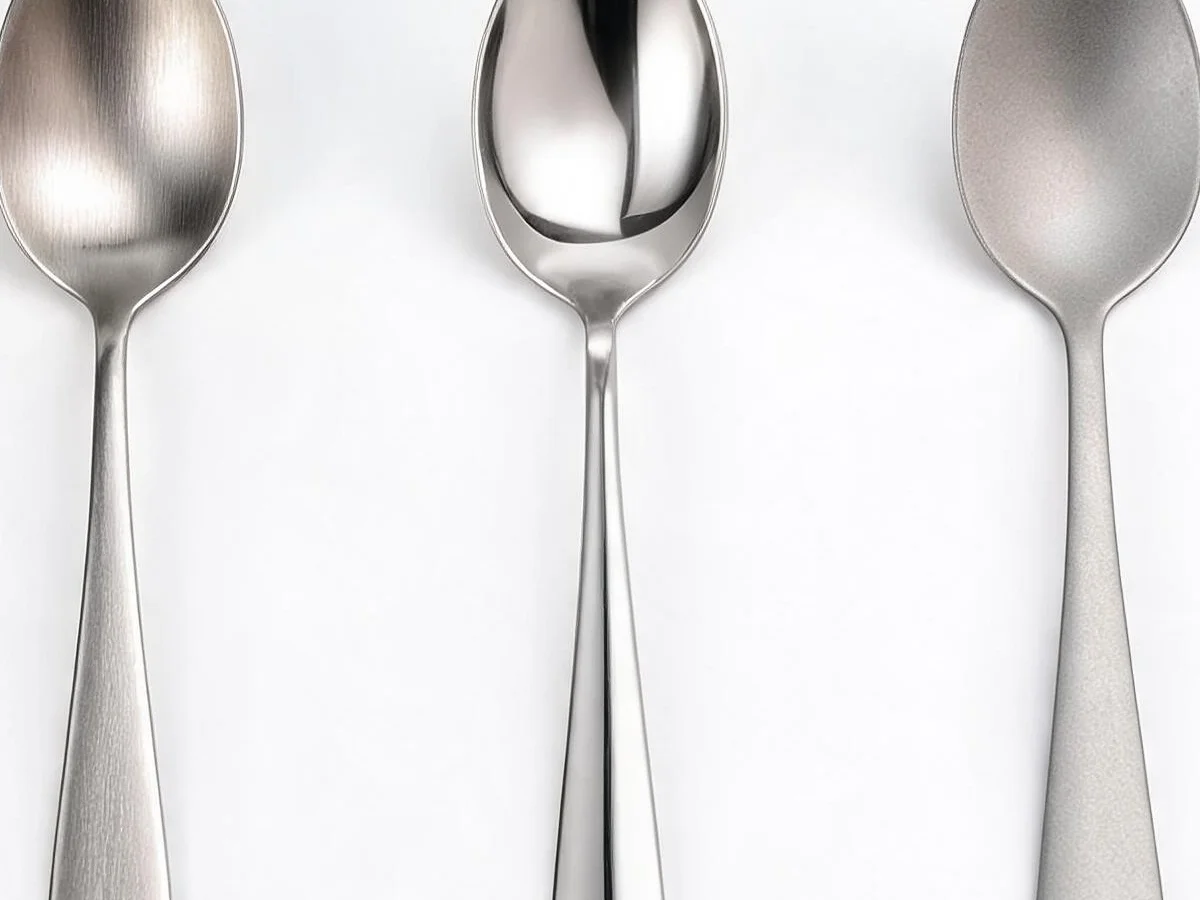
When sourcing stainless steel cutlery, the grade of steel used directly impacts product quality, durability, and market positioning. Yet for many importers and wholesalers, the differences between 304, 430, and 201 stainless steel remain unclear. This guide breaks down the technical differences in practical terms, helping you make informed decisions about the products you offer to your customers.
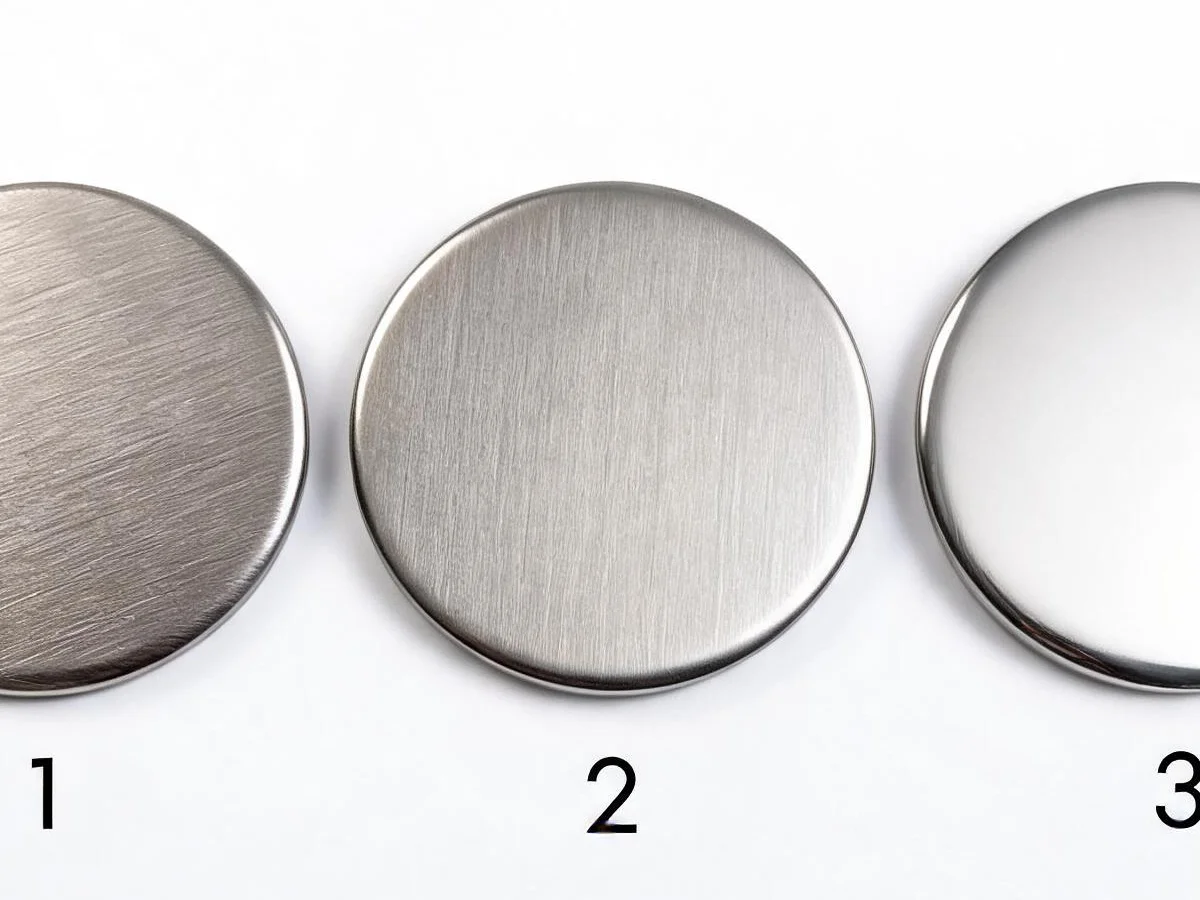
Stainless Steel Grade Comparison
Grade 304 Stainless Steel (18/8 or 18/10)
Grade 304 is the premium standard for quality cutlery. It contains approximately 18% chromium and 8-10% nickel, giving it excellent corrosion resistance and a bright, lasting polish. This grade is dishwasher-safe, resistant to food acids, and maintains its appearance through years of regular use. For upscale restaurants, hotels, and quality-conscious retail markets, 304 is the recommended choice. Its higher nickel content makes it more expensive than alternatives, but the performance difference is significant.
Grade 430 Stainless Steel (18/0)
Grade 430 contains chromium but no nickel, making it more affordable than 304. It is magnetic, which some buyers consider an advantage for certain applications. While 430 offers decent corrosion resistance in dry conditions, it is more susceptible to rust when exposed to moisture and acidic foods over extended periods. This grade is commonly used for budget flatware lines and promotional sets. For markets where price is the primary driver and replacement cycles are expected to be shorter, 430 can be a viable option.
Grade 201 Stainless Steel
Grade 201 is the economy option, with lower chromium and nickel content partially replaced by manganese. It is the most affordable grade but also the least corrosion-resistant. Cutlery made from 201 stainless steel may develop surface rust or discoloration more quickly, especially in humid environments or with frequent dishwasher use. This grade is suitable for disposable or short-term use applications but is generally not recommended for products positioned as quality tableware.
Food Safety and Regulatory Considerations
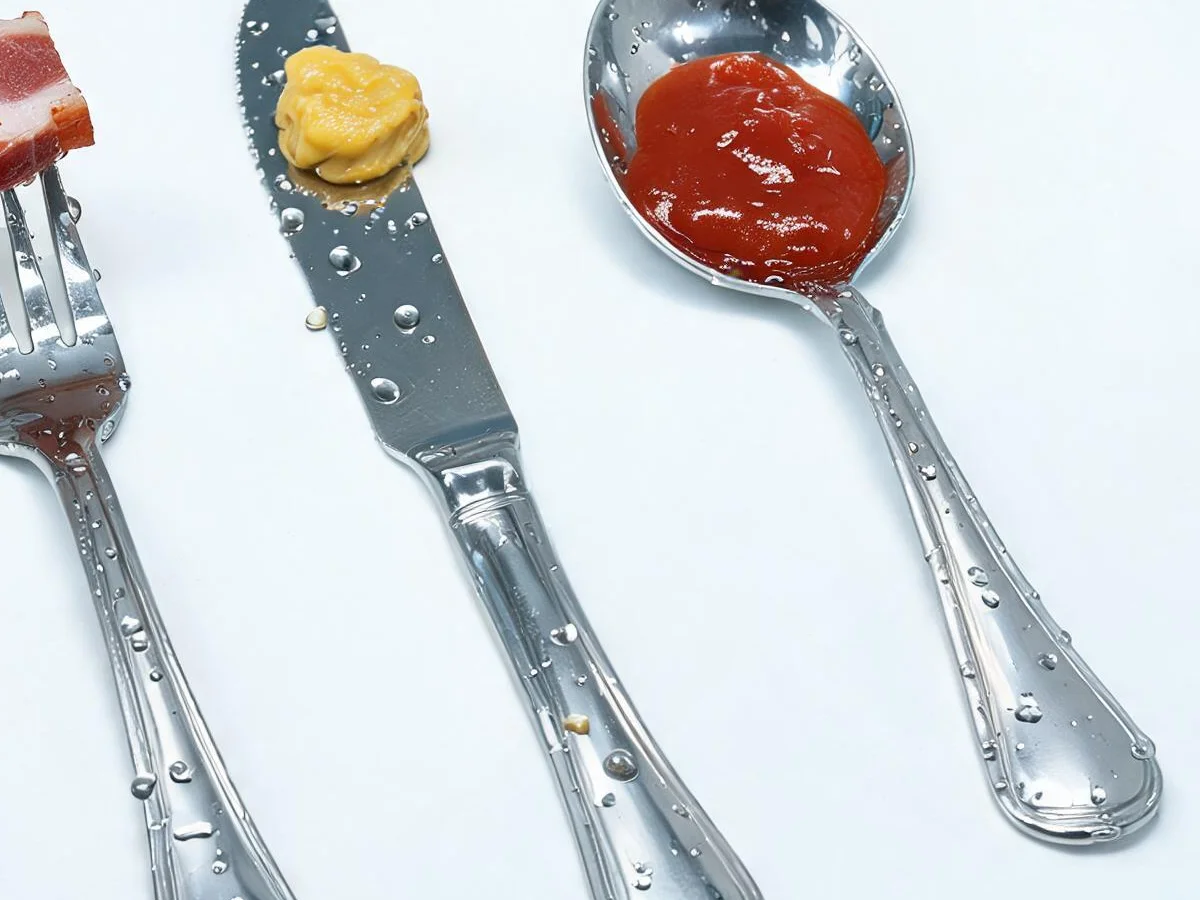
Different markets have different requirements. The EU framework regulation (EC) No 1935/2004 sets strict migration limits for food contact materials. The US FDA has its own compliance requirements. Generally, grades 304 and 430 are widely accepted for food contact applications globally, while 201 faces more scrutiny due to its manganese content. As an importer, understanding your target market's regulatory landscape helps avoid costly compliance issues.
Cost vs. Value: Making the Right Choice
While 304 commands a higher price than 430 or 201, the total value proposition depends on your market positioning. A retailer selling to quality-conscious consumers will find 304 cutlery generates fewer returns and better reviews. A distributor focused on the budget segment may find 430 meets their customers' expectations at the right price point. The key is to match the material grade to the market positioning rather than defaulting to the cheapest option.
FAQ
Q: How can I tell the difference between 304 and 201 stainless steel?
Visual inspection alone is unreliable. The most accurate method is XRF (X-ray fluorescence) analysis, which identifies elemental composition. Some buyers use a simple magnet test: 304 is typically non-magnetic (or weakly magnetic after cold working), while 201 and 430 are magnetic—but this is not definitive.
Q: Is 430 stainless steel safe for food contact?
Yes, grade 430 is generally recognized as safe for food contact in most markets. However, its lower corrosion resistance means it requires more careful maintenance to prevent surface rust, especially with acidic foods.
Q: Does 201 stainless steel rust easily?
Compared to 304 and 430, 201 is more prone to rust and discoloration, particularly in humid environments or with exposure to salt and acidic foods. It offers the lowest corrosion resistance of the three common cutlery grades.
Choose the Right Grade for Your Market
Understanding material grades gives you an edge in sourcing and selling cutlery. At Hongsheng Hardware, we work primarily with grade 304 stainless steel for our standard and custom flatware lines, ensuring consistent quality. Contact us to discuss material specifications for your next order.