
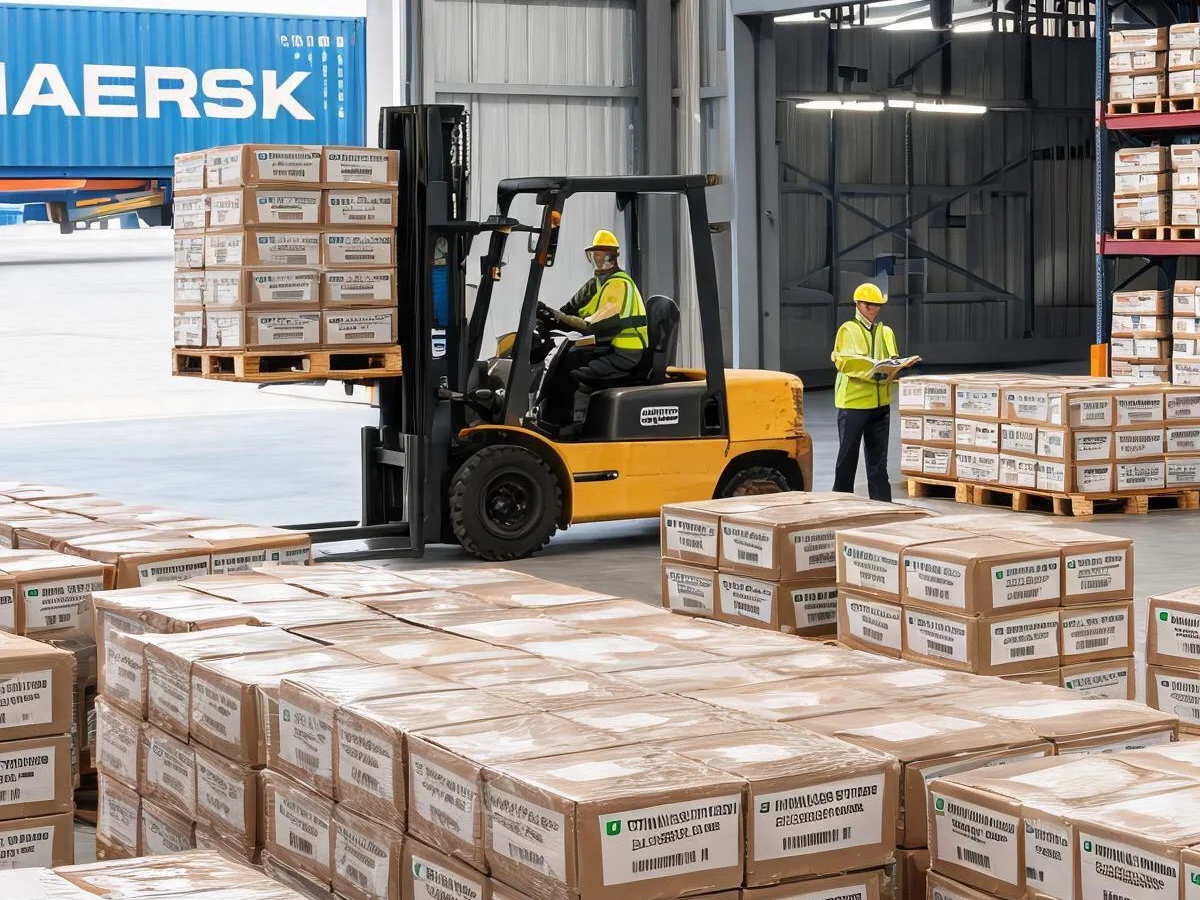
Procurement That Works: A Practical Approach for Flatware Importers
Buying stainless steel flatware at wholesale is more than comparing price lists. Smart procurement means balancing cost, quality, lead time, and inventory risk in a way that maximizes your margins while keeping customers satisfied. For importers serving diverse markets, a systematic procurement strategy can be the difference between steady growth and constant firefighting.
Cost Optimization Beyond Unit Price
The sticker price per piece is just the starting point. The real cost of imported flatware includes ocean freight, customs duties, port handling, inland transportation, warehousing, and the cost of capital tied up in inventory. A supplier quoting a slightly higher unit price but located near a major port with efficient container loading might actually deliver a lower landed cost per piece than a cheaper inland supplier with inefficient logistics.
Ask suppliers for FOB and CIF pricing to compare apples-to-apples. Calculate total landed cost for your specific destination port, and factor in typical order cycle time to understand capital requirements.
MOQ Negotiation That Benefits Both Sides
Minimum order quantities often feel like a barrier, but they serve a purpose—they allow manufacturers to plan production efficiently. Here's how to approach MOQ discussions constructively:
- Start with a trial order: A smaller order of standard designs helps build trust before committing to larger volumes.
- Combine SKUs: Many suppliers count total order quantity across items rather than per design.
- Discuss production schedules: If your order can fill gaps in the factory's production calendar, flexibility on MOQ becomes more likely.
- Long-term commitment: A projected annual volume often carries more weight than a one-time request.

Shipping and Logistics Considerations for Flatware
Stainless steel flatware is dense and heavy—significantly different from lightweight goods like apparel. A 20-foot container can hold roughly 10-12 tons of flatware depending on packaging configuration. Work with freight forwarders who understand heavy cargo to avoid surprises. Key considerations include container weight limits, packaging options for sea freight (individual boxes, bulk pack, or retail-ready packaging), and port-to-door delivery for key markets.
Inventory Planning for Seasonal Demand
Flatware demand can be surprisingly seasonal, tied to wedding seasons, holiday retail cycles, and hospitality industry purchasing patterns in different regions. Map your major customers' buying cycles, build in a buffer for lead time variability, and use historical data to forecast rather than relying on gut feeling. A 30-45 day safety stock buffer is common for importers serving markets with stable demand.
Building Long-Term Supplier Partnerships
The most successful importers treat their suppliers as partners rather than transactional vendors. This means regular communication about upcoming needs, sharing market feedback on product performance, and maintaining consistent ordering patterns. In return, strong relationships often yield priority production slots, faster problem resolution, and access to new designs before they reach the broader market.
FAQ
Q: How do I negotiate better pricing without compromising quality?
Focus on total landed cost rather than unit price alone. Consolidating orders, optimizing container loading, and committing to regular annual volumes are more effective levers than simply asking for a discount.
Q: What shipping method is best for flatware imports?
Sea freight is the standard for wholesale flatware due to weight. Full container loads (FCL) offer the best per-unit shipping cost. For smaller orders, less-than-container-load (LCL) is an option but comes with higher per-unit cost and longer transit times.
Q: How much inventory should I keep as a flatware distributor?
This depends on your order cycle, lead time, and demand variability. A common rule: maintain enough stock to cover 1.5-2 order cycles plus a 30-day safety buffer. Track sell-through rates by SKU to fine-tune over time.
Plan Your Next Procurement Move
Effective flatware procurement is a competitive advantage. At Hongsheng Hardware, we work with importers and distributors to align production with your procurement strategy. Reach out to discuss your sourcing needs, request a quotation, or explore our standard and custom flatware options.